
Whale Shark
Some species disappear quietly, almost unnoticed. The Whale Shark reminds us how fragile life becomes when ecosystems are pushed beyond their limits.
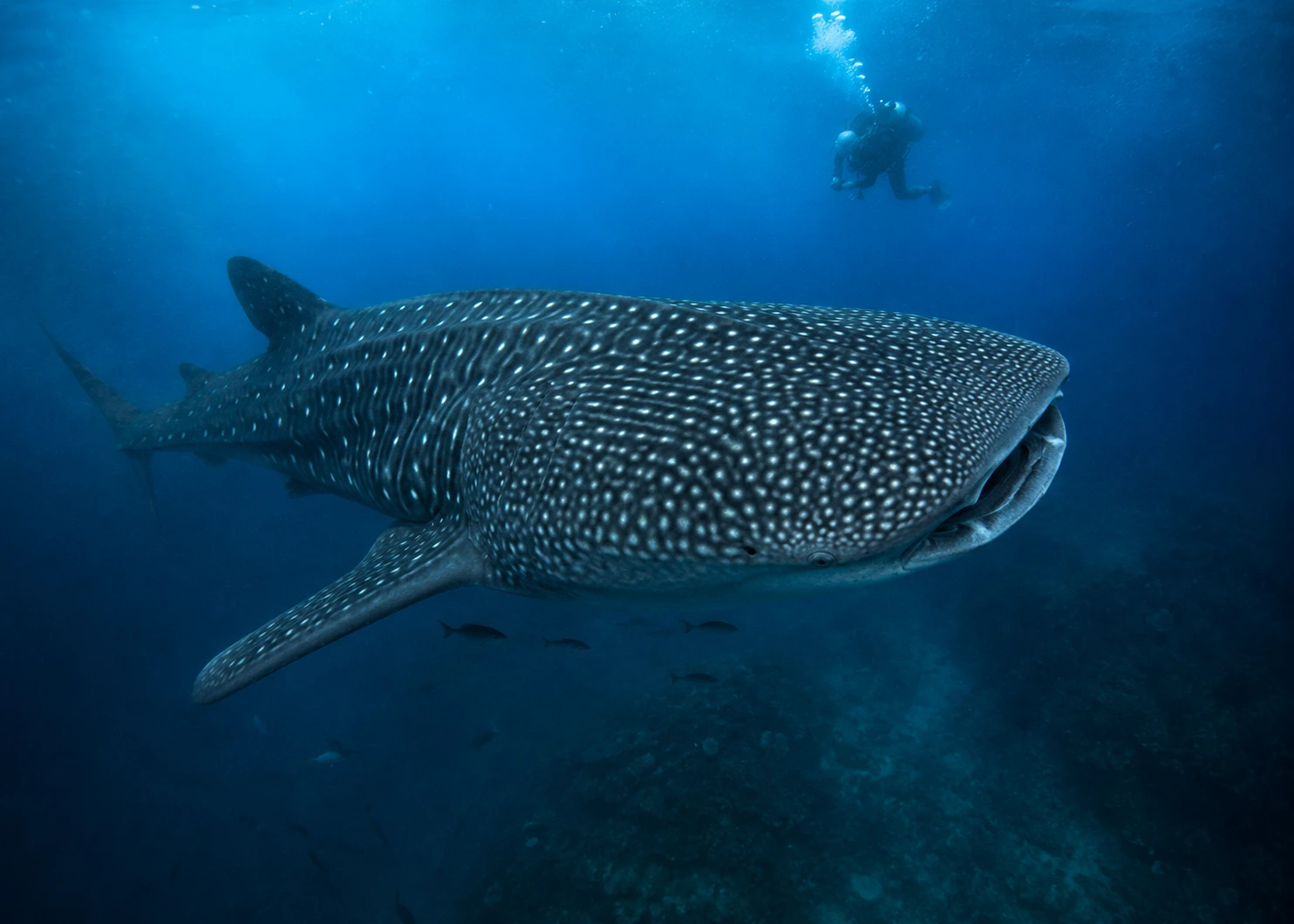
Whale Shark
Rhincodon typus
The whale shark is the largest fish on Earth, capable of reaching lengths of more than 12 meters and weighing over 20 tonnes. Despite its enormous size, this gentle giant feeds primarily on plankton, filtering tiny organisms from the water as it moves slowly through tropical and subtropical seas.
For centuries, whale sharks have migrated across vast ocean regions, playing an important role in marine ecosystems. Their calm nature and impressive appearance have made them one of the most recognizable and admired species in the world’s oceans.
Today, whale shark populations face growing threats from accidental capture in fishing gear, vessel strikes, habitat degradation, pollution, and climate-related changes affecting food availability. Their slow growth and low reproductive rate make recovery especially difficult once populations decline.
Protecting whale sharks means protecting the health of marine ecosystems on a global scale. As one of the ocean’s most iconic species, their survival serves as a reminder that even the largest creatures on Earth remain vulnerable to human activity.
Extinction is permanent.
Every endangered species is part of a much larger story. They regulate ecosystems, support biodiversity, and help maintain the balance of life. Protecting them means protecting the future of our planet.
Explore More Species